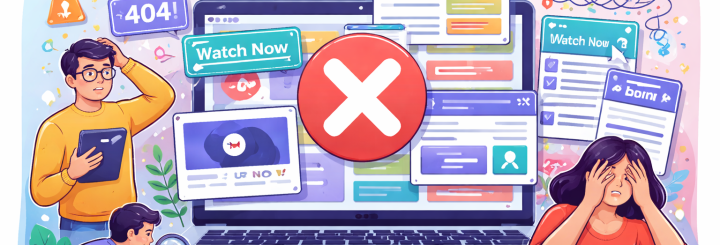
The world of web design is constantly evolving. What was once considered innovative and effective can quickly become outdated as technology advances and user expectations change. Businesses that fail to adapt risk creating websites that feel old-fashioned, difficult to use, and less competitive in search engine rankings.
Modern websites must do more than look attractive. They need to provide seamless navigation, fast loading speeds, accessibility, mobile responsiveness, and personalized experiences. Unfortunately, many websites still rely on design trends that no longer meet these expectations.
If you want your website to remain relevant, engaging, and optimized for both users and search engines, it’s important to recognize which web design trends have lost their effectiveness and what you should focus on instead.
Why Outdated Web Design Trends Matter
Website design directly impacts user experience, search engine optimization (SEO), and conversion rates. Visitors form an opinion about your website within seconds, and poor design choices can cause them to leave before exploring your content or services.
Outdated design elements often create unnecessary obstacles that frustrate users and reduce engagement. Search engines also prioritize websites that offer excellent usability, mobile compatibility, and fast performance. By eliminating obsolete design practices, you can improve visitor satisfaction and strengthen your online presence.
Overuse of Pop-Ups
Pop-ups were once considered one of the most effective tools for lead generation. Businesses used them to collect email addresses, promote discounts, and encourage newsletter signups. While pop-ups can still serve a purpose, excessive use has become a major source of frustration for users.
Why Excessive Pop-Ups Are Problematic
Interruptive User Experience
Pop-ups often appear while visitors are reading content, browsing products, or navigating the site. These interruptions disrupt the user journey and can lead to increased bounce rates.
Poor Mobile Experience
On mobile devices, pop-ups can cover large portions of the screen, making navigation difficult. Intrusive pop-ups can negatively impact usability and create barriers to accessing content.
Banner Blindness
Many internet users have become accustomed to immediately closing pop-ups without reading them. As a result, overly aggressive pop-up strategies often produce diminishing returns.
What to Use Instead
Modern websites are increasingly using less intrusive alternatives such as:
- Slide-in notifications
- Sticky banners
- Embedded signup forms
- Exit-intent offers
- Contextual calls-to-action
These methods provide opportunities for engagement without disrupting the user experience.
Overcomplicated Navigation
Navigation is one of the most important elements of any website. If users cannot quickly find what they need, they are likely to leave and look elsewhere.
In the past, websites often featured complicated navigation structures with numerous dropdown menus, hidden pages, and multiple layers of categories. Today, simplicity and clarity are far more effective.
Problems With Complex Navigation
User Frustration
Visitors expect information to be easily accessible. Confusing menu structures create friction and make it harder for users to complete their goals.
Higher Bounce Rates
Users who struggle to locate products, services, or information often abandon the website entirely.
Mobile Usability Issues
Complex navigation systems become even more problematic on smaller screens where space is limited.
Modern Navigation Best Practices
Successful websites focus on:
- Clear menu labels
- Logical site architecture
- Simplified navigation paths
- Mobile-friendly menus
- Visible search functionality
The easier it is for visitors to find information, the more likely they are to remain engaged.
Flashy Animations and Excessive Visual Effects
There was a time when websites showcased elaborate animations, transitions, and special effects to demonstrate technical sophistication. However, excessive visual effects can now create more problems than benefits.
Why Flashy Effects Are Outdated
Slower Website Performance
Heavy animations often increase page load times, negatively affecting both user experience and SEO.
Distraction From Content
Visitors come to a website for information, products, or services. Excessive animations can divert attention away from important content and calls-to-action.
Reduced Accessibility
Some visual effects can make websites more difficult to use for individuals with certain disabilities or sensitivities.
A Better Approach
Modern web design favors purposeful animations that support user interaction. Subtle effects can:
- Highlight important actions
- Improve navigation
- Provide visual feedback
- Enhance user engagement without slowing down the site
Minimalism continues to outperform unnecessary visual complexity.
Auto-Play Media
Auto-playing videos and audio once seemed like an effective way to grab attention. Today, however, many users view them as intrusive and disruptive.
The Problems With Auto-Play Content
Loss of User Control
Visitors generally prefer deciding when and how they consume media. Unexpected audio or video playback can create a negative first impression.
Increased Exit Rates
Users often leave websites that force content upon them before they have chosen to engage with it.
Higher Data Usage
For mobile users, auto-playing videos can consume significant amounts of data, leading to frustration.
Modern Alternative
Instead of auto-play media, provide clear play buttons and engaging previews that encourage users to initiate content voluntarily. This approach respects user preferences and improves overall satisfaction.
Static Websites Without Personalization
Modern internet users expect more personalized experiences than ever before. Static websites that deliver identical content to every visitor often struggle to maintain engagement.
Why Personalization Matters
Improved User Engagement
Personalized content helps visitors find information that is relevant to their interests and needs.
Enhanced Customer Experience
Tailored recommendations, customized offers, and location-based content create a more meaningful interaction.
Higher Conversion Rates
When users see content that aligns with their preferences and behavior, they are more likely to take action.
Modern Personalization Strategies
Businesses are increasingly using:
- Personalized product recommendations
- Dynamic content displays
- Behavioral targeting
- Location-specific messaging
- AI-powered user experiences
Personalization helps transform websites from static information hubs into interactive customer experiences.
The Digital Graveyard of Outdated Design
Many websites continue to suffer from design practices that no longer align with modern standards. These outdated elements can negatively impact usability, credibility, and performance.
Non-Responsive Design
Responsive design is no longer optional. Websites must function properly across smartphones, tablets, laptops, and desktop computers. A site that fails to adapt to different screen sizes creates a poor user experience and can lose valuable traffic.
Cluttered Layouts
Overcrowded pages filled with competing elements make it difficult for users to focus on important information. Clean layouts with strong visual hierarchy provide a more enjoyable and effective browsing experience.
Outdated Typography and Color Choices
Typography and color trends evolve over time. Old-fashioned fonts and poorly chosen color schemes can make a website appear unprofessional and reduce trust among visitors.
Lack of Accessibility
Accessibility is a critical component of modern web design. Websites should be designed to accommodate users with varying abilities and needs. Features such as keyboard navigation, alternative text for images, proper contrast ratios, and screen reader compatibility help create a more inclusive online experience.
Web Design Trends That Have Lost Relevance
Several design trends that once dominated the internet are now largely considered outdated.
Skeuomorphic Design
Skeuomorphism involves replicating real-world textures and objects in digital interfaces. While it once helped users understand digital environments, modern design favors cleaner, flatter, and more scalable interfaces.
Generic Stock Photography
Users increasingly value authenticity. Generic stock photos often feel impersonal and fail to establish genuine connections with audiences. Custom photography, branded visuals, and original imagery create stronger engagement and trust.
Overly Long Blocks of Content
Long-form content can be valuable when properly structured, but large walls of text overwhelm readers. Modern content should be organized with:
- Clear headings
- Bullet points
- Visual elements
- Short paragraphs
- Easy-to-scan formatting
This improves readability and keeps visitors engaged.
What to Focus on Instead
As outdated trends disappear, several design principles continue to prove their value.
User-Centered Design
Every design decision should prioritize the needs, goals, and behaviors of users. A website that serves visitors effectively is more likely to generate positive business results.
Mobile-First Development
With mobile traffic continuing to dominate many industries, designing for smaller screens first ensures a seamless experience across all devices.
Personalization
Dynamic and personalized experiences help users feel understood while improving engagement and conversion rates.
Accessibility
Accessible websites reach broader audiences and create more inclusive digital experiences.
Simplicity
Simple designs are often the most effective. Clear layouts, intuitive navigation, and purposeful elements create websites that are easier to use and maintain.
Conclusion
Website design is constantly evolving, and staying informed about changing trends is essential for maintaining a competitive online presence. Outdated practices such as excessive pop-ups, complicated navigation, flashy animations, auto-play media, and static experiences can harm usability, SEO performance, and conversions.
By embracing user-centered design, mobile responsiveness, accessibility, personalization, and simplicity, businesses can create websites that meet modern expectations and deliver exceptional user experiences. The most successful websites are not necessarily the most complex—they are the ones that make it easy for visitors to find information, accomplish goals, and enjoy the journey.
Want a website for your business? Learn how you can make your own website today! Or you can let the pro’s handle it, contact TopCrayons today!